
Tattnall County Criminal Docket Searches
The Tattnall Clerk of Superior Court holds the records for Superior, State, and Juvenile court. For online Superior and State access, Georgia Courts routes users to PeachCourt. An account is required to get in. Before searching, gather the defendant's name, the court, the year, and the case number. Get the case number if you have it. When the account shows nothing, the clerk is close at hand. Call 912-557-6716, stop by 111 North Main Street in Reidsville, email paige.mulligan@gsccca.org, or write to P.O. Box 39, Reidsville, GA 30453.
Searching and e-filing are two different things. Georgia's e-file chart makes PeachCourt the mandatory filing route for Tattnall Superior and State courts. That rule does not guarantee the public can download every filed paper. Before login, the portal offers no open search fields. There is no search for party, date, charge, or case number. So try the state-linked provider first, then fall back on the clerk. Ask three questions. Is the docket entry online? Does the full document need a request? Can a certified copy be ordered? Assume no public terminal, no scanning policy, and no free-copy promise until the clerk confirms them.
- Identify the court on the notice or charging paper.
- Open the Georgia E-Access directory.
- Use its PeachCourt route for Superior or State Court.
- Review each setting, filing, order, plea, and result.
- Ask the clerk for inspection or a certified copy.
Tattnall Criminal Dockets Split Courts
Tattnall criminal dockets divide by court level. Superior Court takes felony trials, State Court handles county misdemeanors and traffic, Magistrate Court covers warrants and preliminary hearings, municipal courts keep city citations, and juvenile delinquency runs through a restricted channel of its own.
| Court | Work | Route |
|---|---|---|
| Superior | Felonies | PeachCourt or clerk |
| State | Misdemeanors | PeachCourt or clerk |
| Magistrate | Warrants, hearings | Magistrate office |
| Municipal | City citations | Issuing city |
A transfer or bind-over can change the custodian. Ask where the file now sits.
Criminal Dockets: What They Show
A Tattnall County criminal court docket is a chronological index, and the underlying document always carries the strongest detail.
| Case number | Court identifier; do not guess its format. |
|---|---|
| Charge | Indictment, accusation, or citation wording. |
| Setting | Arraignment, motion, trial, or sentence date. |
| Disposition | Recorded dismissal, plea, conviction, acquittal, or transfer. |
A payment screen, arrest report, or missed date does not prove the disposition.
Confirm Tattnall Criminal Dispositions
Ask the clerk for the final order, plea, sentence, dismissal, or whatever result was recorded. Later appeals and amended orders can change the picture. Old cases may sit on microfilm or in archives, and only the clerk, not a guess from a calendar, confirms the result.
Key point: A blank search result is not proof that no record exists in another Tattnall court.
Criminal Case Stages on the Docket
A criminal docket can trace a case from filing through arraignment, pretrial motions, plea or trial, disposition, and sentencing. A continuance entry moves a date only, never the result.
Docket flow: Filing › Arraignment › Pretrial › Plea or Trial › Disposition › Sentencing.
- Accusation
- A charging paper often used for misdemeanor prosecution.
- Indictment
- A grand-jury charging paper.
- Arraignment
- The event where charges and a plea are addressed.
- Continuance
- A postponement, not a dismissal.
Tattnall Warrants Start Lower
Warrants in Tattnall start low. The Chief Magistrate office handles warrants and preliminary hearings, so call 912-557-4372 and confirm viewing hours. If the charge moved up to Superior Court, the central clerk holds the file, and the warrant and the final criminal case may live in two different court records.
Tattnall County Criminal Docket Courts
Federal cases run on a separate system. Tattnall sits in the Statesboro Division of the Southern District of Georgia. The district's CM/ECF page is the official gateway, and it points users to PACER for federal case lookup.
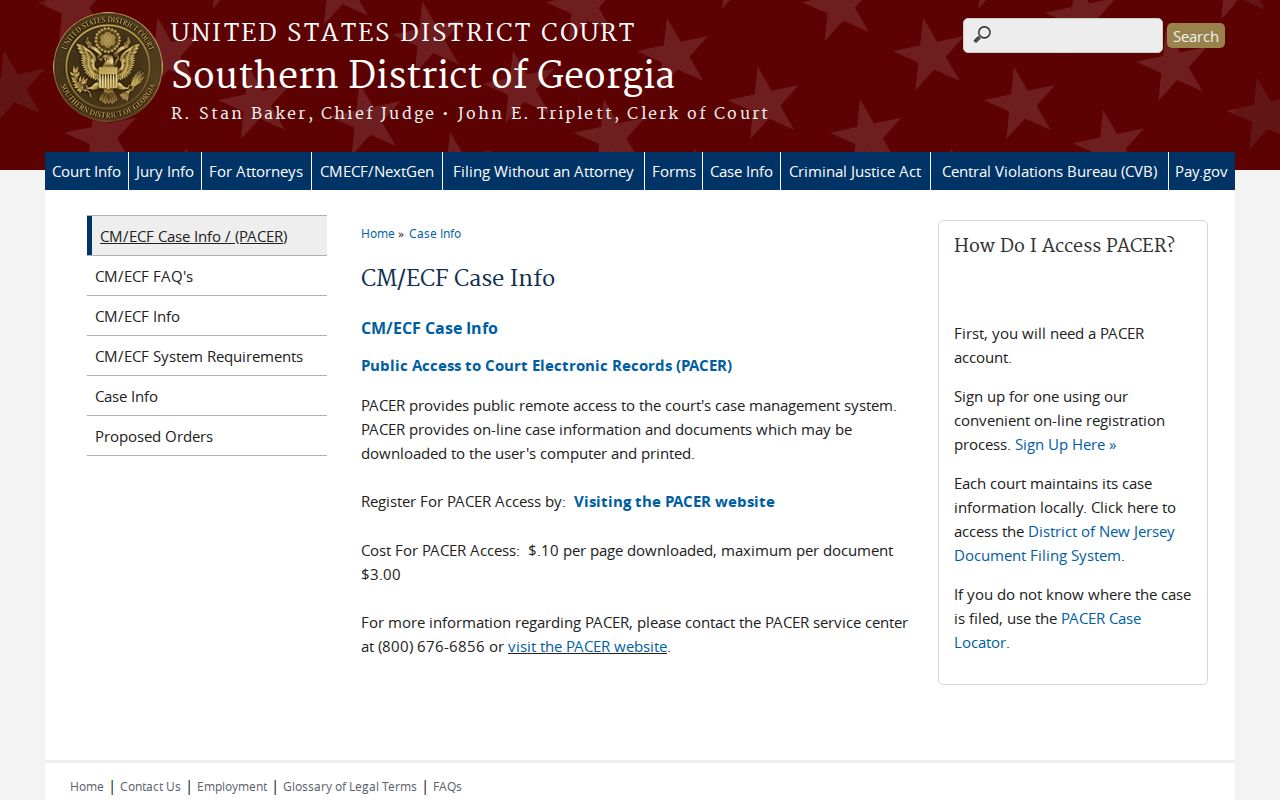
It confirms the federal route is separate from Georgia trial courts.
Federal Tattnall Records Use PACER
Review PACER pricing before retrieving many pages.
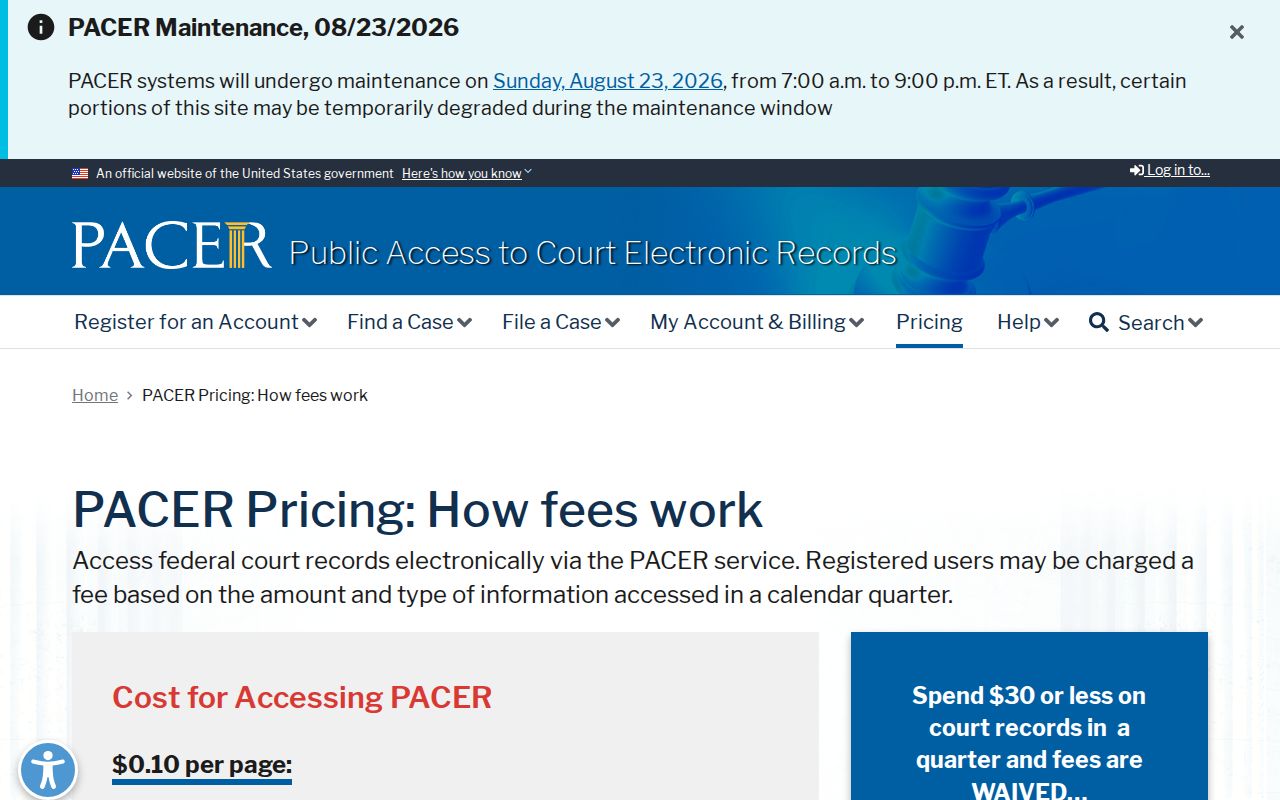
The guidance distinguishes page charges, capped documents, searches, and waivers.
Access Rules for Criminal Dockets
Georgia court records are open by default. Access closes only when a law, rule, or court order limits it. Remember that discovery in a pending case is not an open-records request, and juvenile or protected-victim data may be restricted.
Uniform Superior Court Rule 21 governs restriction and redaction. O.C.G.A. §§ 50-18-70 through 50-18-72 state public-record principles and exemptions.
The judicial-security rule has a distinct source.
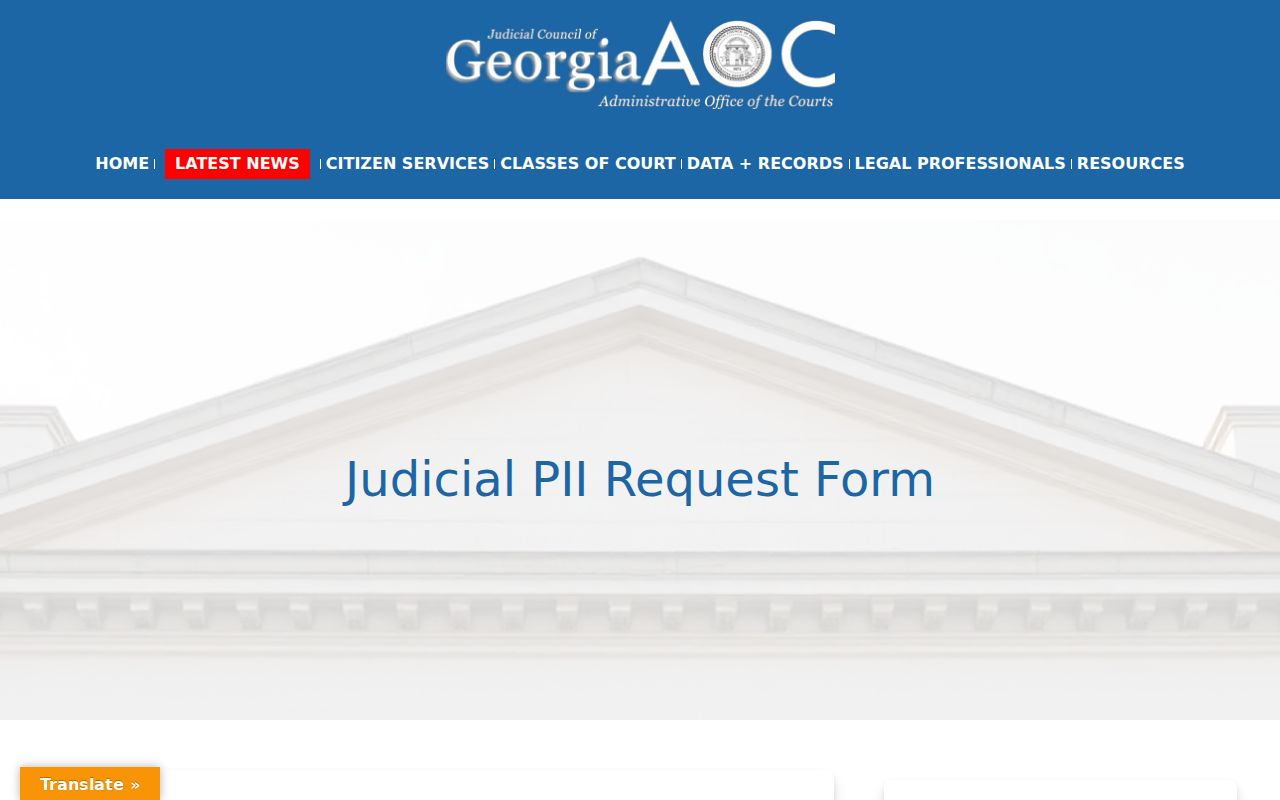
It protects specified personal data and is not a blanket case-sealing process.
Tattnall Criminal Request Checklist
When PeachCourt does not show the docket or document you need, a focused records request does the work. Send it to the clerk who holds that court class. A good request states Tattnall County, the specific court, the defendant or case style, an approximate filing year, and the case number. Include the case number if known. Name the exact item: docket, indictment, accusation, motion, order, plea, sentence, disposition, appeal notice, or certified copy. Aim straight. A city clerk cannot produce a Superior Court file. The central clerk cannot hand over a federal document.
The Tattnall County open-records instructions accept oral or written requests, though they recommend writing. Ask for enough detail to identify the record. Give contact information so the office can respond or send a fee notice. The county warns that fees may apply. It publishes no criminal-copy rate, no same-day service promise, and no guaranteed electronic delivery period.
- Identify the current court, especially after a bind-over, transfer, or appeal.
- Give the case number, year, charge paper, and defendant name only as needed.
- Say whether inspection, paper, electronic delivery, or certification is required.
- Ask the custodian to identify the legal exemption for any withheld portion.
- Keep the response with the copy to preserve its source and access date.
A public records request is not discovery in a pending prosecution. Tattnall County sends pending-case questions to the clerk. It also points to the proper discovery process where one applies. Discovery involves litigation rights, deadlines, and materials that a general public request will never reach.
Older Tattnall criminal research may lead to microfilm or county archives. For those, bring an older court name, an approximate year, the parties, and the record type. Online account access does not prove the full historical range is there. The clerk can tell a docket book from a minute entry. The clerk can also spot a filed order, a full case file, or an archive series. Ask which office now holds custody before paying for copies.
Tattnall Juvenile Dockets Stay Separate
The GSCCCA directory lists Juvenile Court among the courts the central clerk manages. That administrative link does not put juvenile information into an ordinary public criminal search. Georgia's authorized-attorney system warns that Article 9 of the Juvenile Code plus other state and federal law governs juvenile information. Access is limited to authorized situations. Improper disclosure can carry serious consequences.
Treat delinquency, dependency, CHINS, and other child-related records as a separate lane. Never publish a juvenile's name, birth date, address, school information, victim detail, or other protected identifier. A missing public result may simply reflect the access rule. It may not mean the case is absent. Ask the court what authorization, party status, or order is required. Do not try to work around the restriction.
Access point: The Clerk of Superior Court is the verified Tattnall contact for Juvenile Court routing, but the court decides whether a requested juvenile record can be inspected or copied.
Some Tattnall County docket material gets special handling, and it helps to know why. Adoption files, family-violence cases, stalking matters, and records that protect a victim all fall in this group. Uniform Superior Court Rule 21.6 governs protected identifiers. It also sets the special treatment courts must give family-violence and stalking orders. So a public copy may arrive redacted, with details blanked out. The docket entry itself stays visible.
The judicial-security process on the official page serves one narrow purpose. Under O.C.G.A. section 15-5-112, a sitting or former judge or justice, or a spouse, can ask the court to shield personal phone, home-address, property, or tax information. That is all it does. It is not a general criminal case seal. No one should describe it that way.